
Tomatonator9000
Partially Redacted Resume, if you would like my professional resume reach out to me on LinkedIn with a message.
DevOps Engineer with practical experience in software development, network design, configuration, and application deployment. I enjoy building and maintaining infrastructure, bridging software development with networking, automation, and systems engineering.
Education
Projects and Experience
AI Observability (Made with AI Tooling)
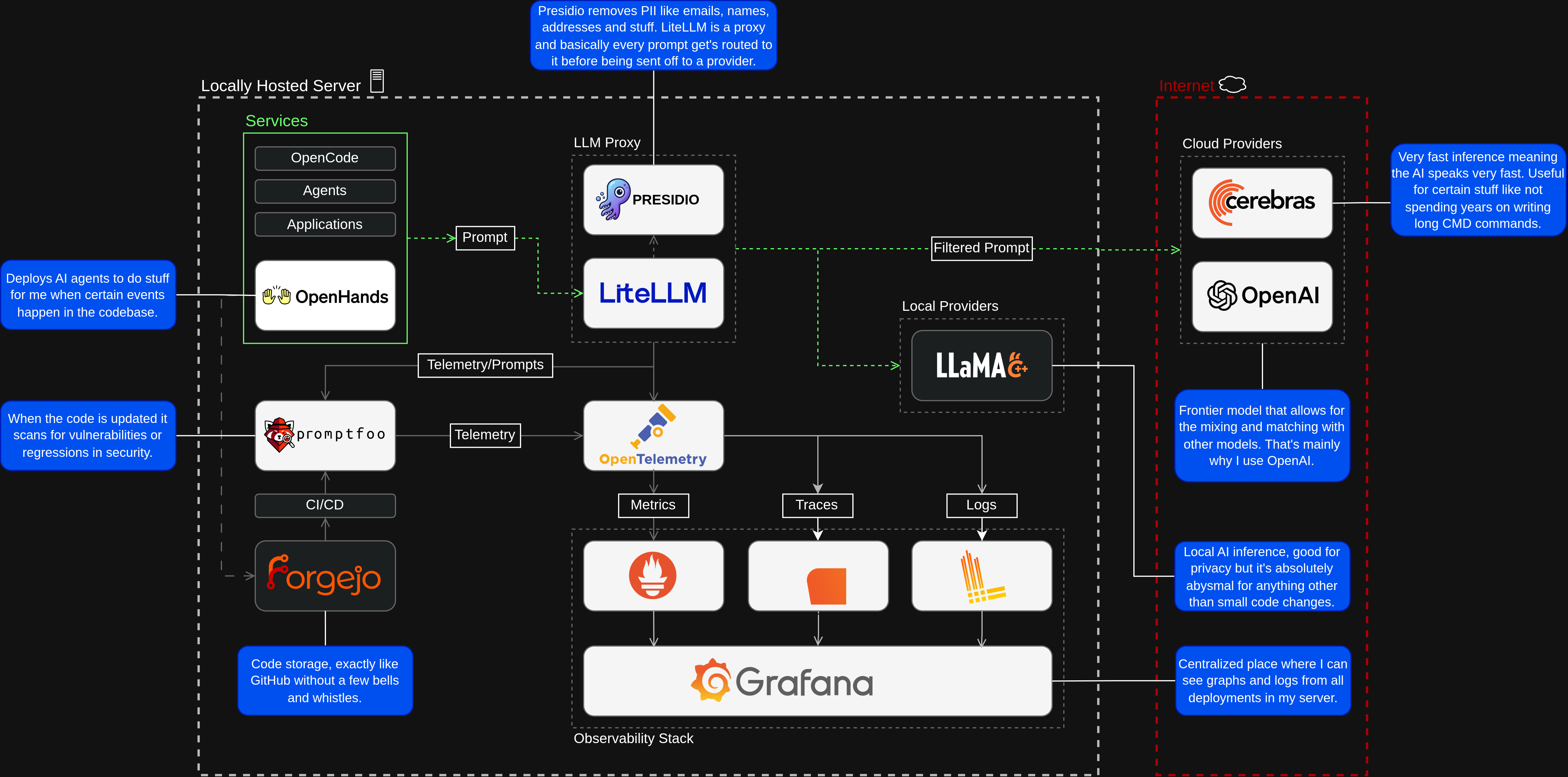
Designed and deployed a private AI gateway using LiteLLM to centralize access to language models and support AI-assisted development workflows. The infrastructure combines Microsoft Presidio for best-effort sensitive-data redaction, restricted HTTPS access through Traefik, and PostgreSQL-backed authentication and virtual-key management. Automated provisioning with OpenTofu and Ansible supports reproducible deployment, while OpenTelemetry, Grafana, Prometheus, Loki, and Tempo provide privacy-conscious monitoring and troubleshooting. This project served as a practical exploration of secure infrastructure design, service integration, and observability, with promptfoo planned for automated prompt evaluation and regression testing.
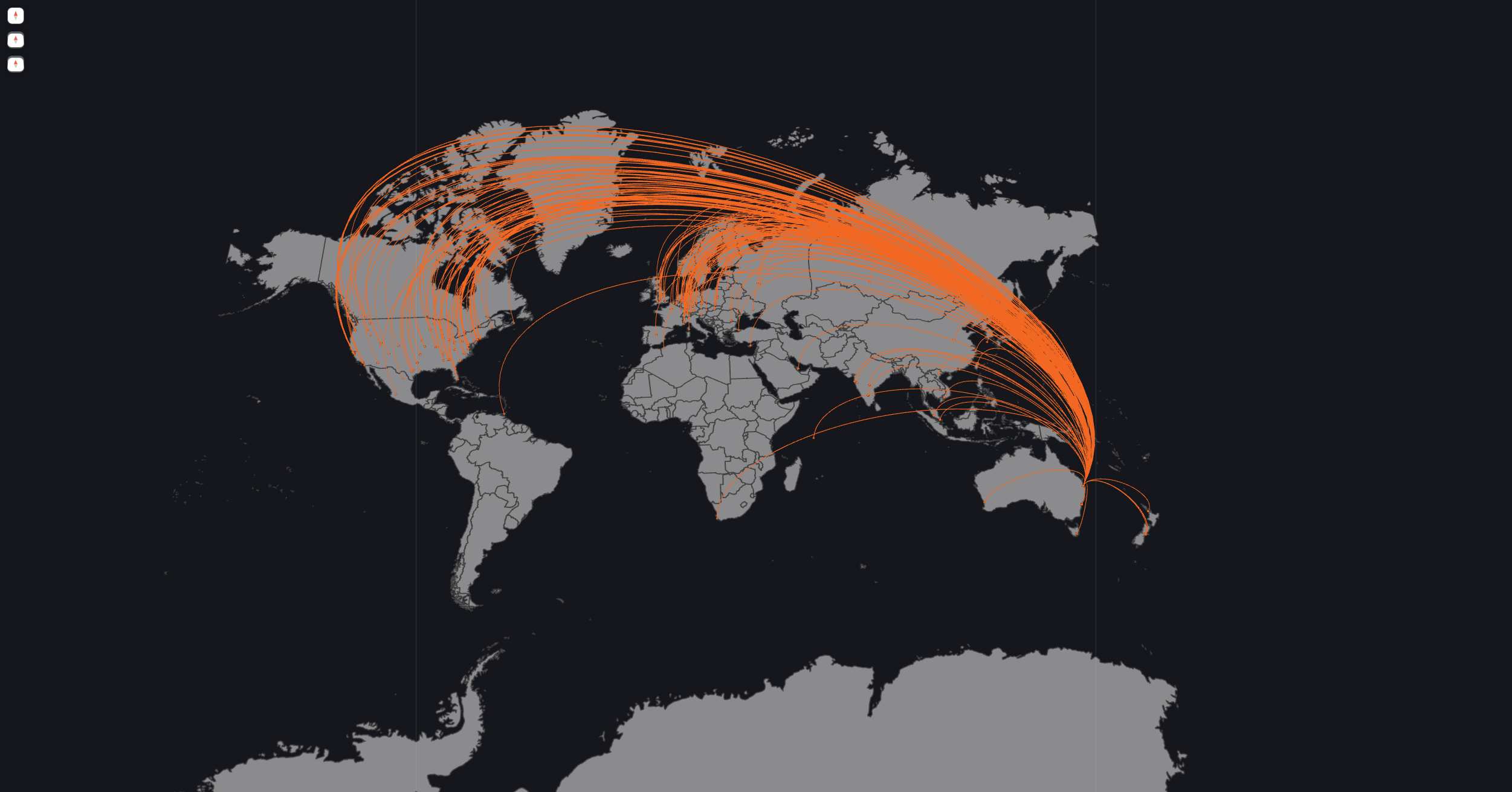
Mapping the Monero P2P Network (No AI Tooling Used)
As part of a Advanced Data Analytics I decided to map the internal peer-to-peer network of the Monero to possibly identify any weaknesses that were present such as “super nodes” which are nodes with lots of edges or any geographical consolidation of nodes. This also provided a great opportunity to learn cryptocurrency, it’s applications, the technology behind it, and how it functions.
Self-Hosted Infrastructure (Made with AI Tooling)
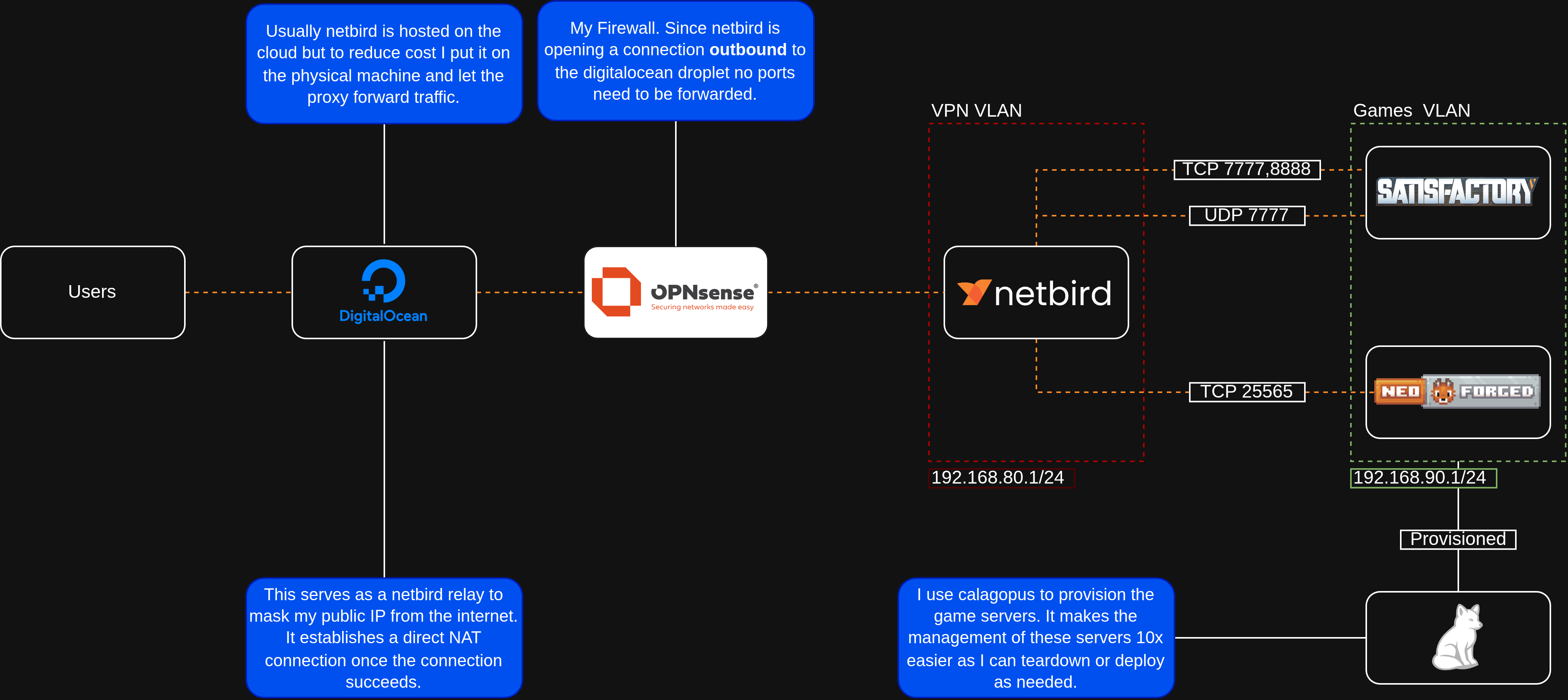
Designed and built a self-hosted infrastructure platform using OpenTofu and Ansible to automate Debian virtual machine provisioning and service configuration across a multi-node Proxmox homelab. Developed reusable infrastructure modules and a Python dynamic inventory, configured VLAN-segmented networks and rootless Docker environments, and automated PostgreSQL, private applications, and Traefik HTTPS routing. Implemented backup and recovery workflows, self-hosted Forgejo CI runners, and centralized observability using Grafana, Prometheus, Loki, Tempo, and OpenTelemetry. Emphasized reproducible deployments, workload isolation, automated testing, and documented operational procedures.
CC-Controller (Made with AI Tooling)
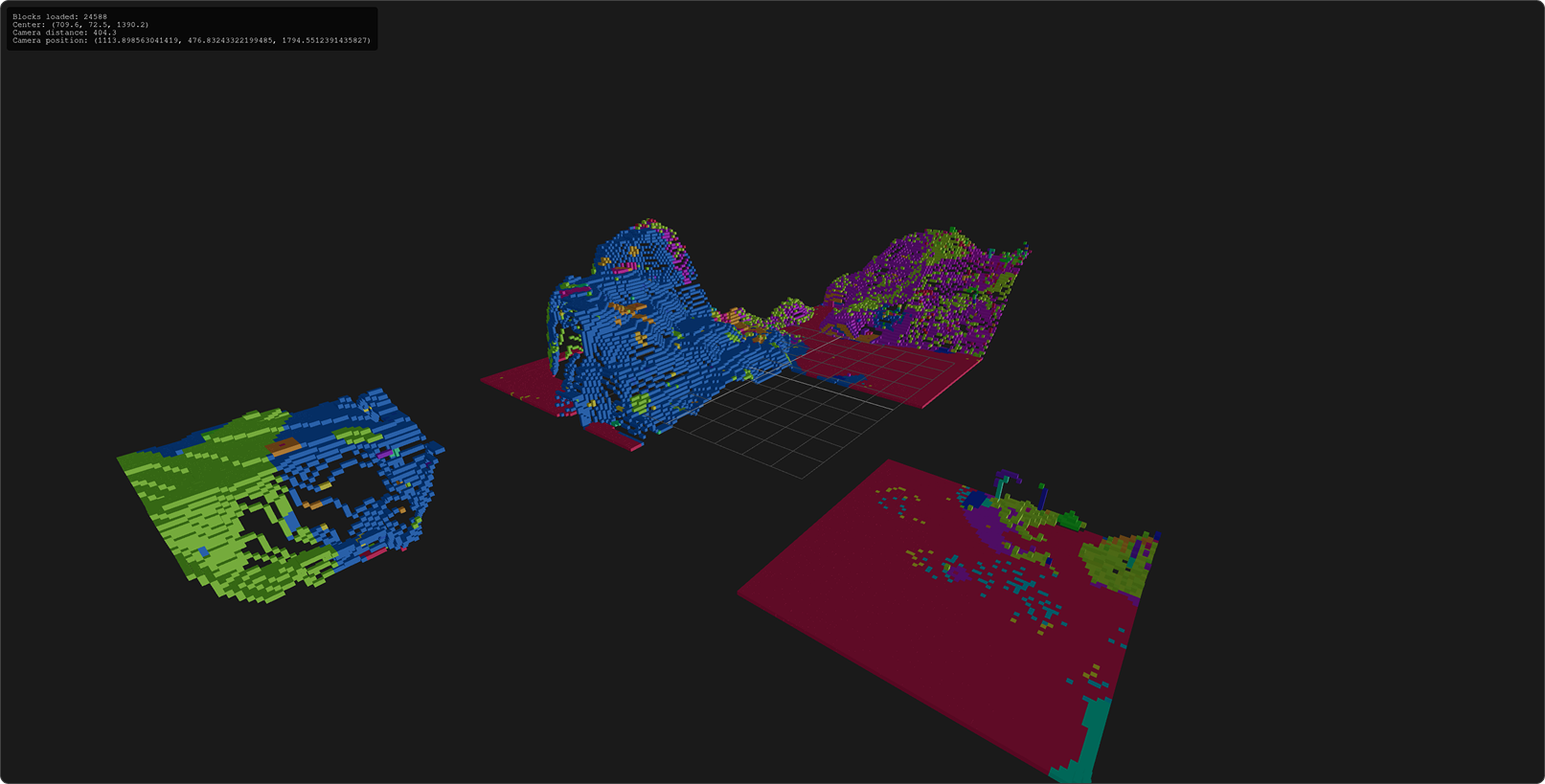
Designed and deployed a private AI gateway using LiteLLM to centralize access to language models and support AI-assisted development workflows. The infrastructure combines Microsoft Presidio for best-effort sensitive-data redaction, restricted HTTPS access through Traefik, and PostgreSQL-backed authentication and virtual-key management. Automated provisioning with OpenTofu and Ansible supports reproducible deployment, while OpenTelemetry, Grafana, Prometheus, Loki, and Tempo provide privacy-conscious monitoring and troubleshooting. This project served as a practical exploration of secure infrastructure design, service integration, and observability, with promptfoo planned for automated prompt evaluation and regression testing.
Technical Skills
Programming Languages: Python (Primary), JavaScript (Secondary), Java, C#, Rust, CSS, HTML, MATLAB
Frameworks & Libraries: FastAPI, Django, Discordjs, Threejs, React, Electron, Sequelize, Knexjs, Pygame, Pandas, Flask, Numpy, Django REST Framework.
Databases: PostgreSQL, SQLite, PgAdmin (For Administration).
Architecture & Practices: MVC, Linting (Ruff), Testing (pytest, jest), Continuous Integration, Logging & Observability, Information Security, REST APIs, OOP.
Server Software and Applications: Docker, Linux, Proxmox, Terraform, Pulumi, Ansible, Portainer, Iptables, OPNSense, Unifi, Tp-Link, WireGuard, Kubernetes.
Tools and Platforms: Arch Linux, Forgejo, GitHub, Figma, NeoVim, Visual Studio Code, Cursor, nmap, Distrobox, VirtualBox, Cloudflare, MkDocs, Blender, Draw.io.
Languages: English (native), Japanese (Elementary Level).
Licenses: Automatic Driver’s License, Blue Card.
Other: Cryptocurrencies & blockchain.